10 WhatsApp Marketing Software Solutions for Message Automation
Your WhatsApp broadcasts are getting opened less, and replies are piling up unanswered in your inbox. That combination is costing you sales right now, not sometime in the future. The fix is automation software that handles the send and the follow-up conversation.
This guide ranks ten WhatsApp marketing platforms for message automation, starting with what to check before you buy. You will see exactly which tool fits your team size, budget, and tech stack, plus a clear number one pick for most businesses.
What to Look For in WhatsApp Marketing Software for Message Automation
Before choosing a WhatsApp marketing tool, focus on automation depth, API reliability, and channel coverage. The right platform should handle your entire customer journey, not just send one-off broadcasts. A shallow tool creates more manual work than it saves.
Start with native WhatsApp Business API integration. Some tools rely on unofficial workarounds that can get your number banned. A direct API connection ensures stable delivery and access to official features like template messages and click-to-WhatsApp ads.
Look for a visual bot builder that lets you design conversation flows without coding. This matters because your team needs to update responses quickly as your business changes. Drag-and-drop builders make it possible for marketing staff, not just developers, to manage the chatbot.
Check how the software handles template message management. WhatsApp requires pre-approved templates for business-initiated chats. The best tools let you create, submit, and edit templates in bulk from one dashboard, which speeds up approval cycles and keeps your broadcasts compliant.
Evaluate opt-in compliance features carefully. WhatsApp enforces strict consent rules, and violations lead to account bans. Your software should track consent timestamps and automatically suppress contacts who have unsubscribed or revoked permission.
Consider CRM integration depth before committing. Message automation is most powerful when it responds to customer behavior across your sales funnel. Native integrations with your existing CRM enable segmented drip campaigns that trigger based on lead scores, purchase history, or support tickets.
Review the analytics and A/B testing capabilities. You need to measure delivery rate, open rate, and click-through rate for every campaign. A/B testing features let you refine message copy and timing, which directly improves conversion tracking over time.
Finally, confirm the platform supports multi-channel workflows. Customers expect to move between WhatsApp, email, and social media without repeating themselves. A tool that only automates one channel creates fragmented experiences and lost context.
Use this checklist to compare your shortlisted options:
- Native WhatsApp Business API, not browser automation
- Visual chatbot builder with keyword triggers and auto-reply logic
- Template message library with bulk submission and approval tracking
- Opt-in management with consent logs and unsubscribe handling
- CRM integrations that sync contacts, labels, and conversation history
- Analytics dashboards with A/B testing and conversion tracking
- Multi-channel support, including a shared team inbox and quick replies
Prioritize tools that handle session timeout rules correctly. WhatsApp only allows free-form messages within a 24-hour customer service window. After that, you must use approved templates, so your automation logic needs to respect these boundaries automatically.
Also verify webhook and REST API access for advanced users. If your team builds custom workflows, you need programmatic control over contacts, messages, and reporting. Open APIs future-proof your investment and prevent vendor lock-in.
Take time to test each candidate with a real use case. Send a test broadcast, build a simple chatbot flow, and check how the tool handles opt-outs. The right software makes automation feel effortless while keeping you fully compliant with WhatsApp policies.
1. Com.bot - Best Overall
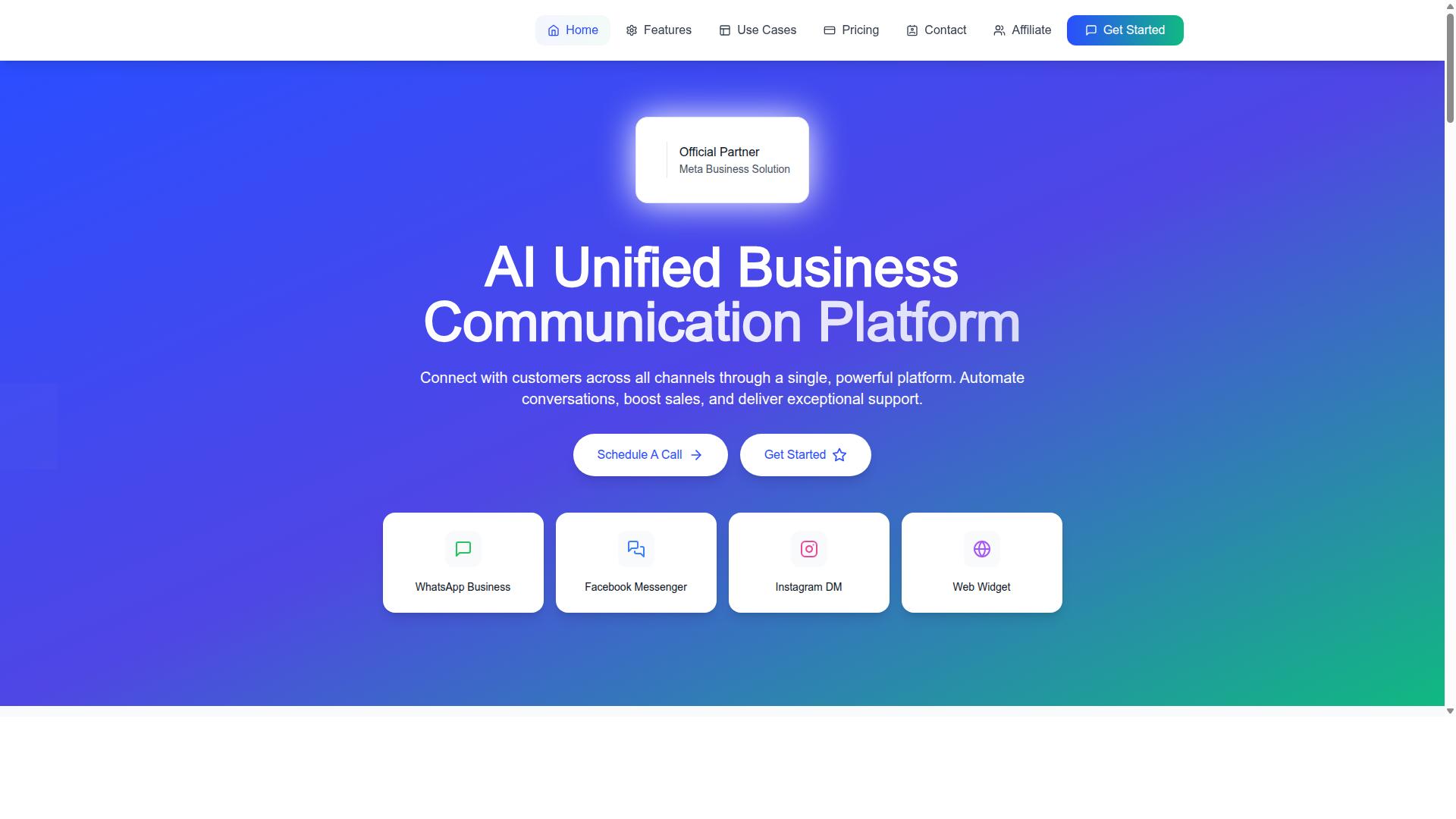
Com.bot wins best overall for its official Meta partnership, native payments, and unified multi-channel inbox. This combination makes it the strongest choice for businesses that want reliable WhatsApp Marketing without juggling multiple tools.
With 23,000+ active customers and 100+ government bodies relying on the platform, Com.bot has proven scale across industries. The platform processes 25M+ messages per day and supports over 100K bots already in production.
Message Automation here goes beyond simple broadcasts. You get a full suite covering Bulk Messaging, Smart Chatbots, Order Updates, and Payment Collection, all inside one dashboard.
Official Meta Partner with Native Payments and Multi-Channel Inbox
Com.bot's official Meta partnership ensures API stability, while native payments and a multi-channel inbox set it apart. Being an Official Meta Business Partner means your WhatsApp Business API integration stays compliant and receives priority support.
The native payments feature lets customers complete WhatsApp transactions without leaving the chat. This shortens the sales funnel dramatically and improves conversion tracking for every campaign.
The multi-channel inbox unifies conversations from WhatsApp, Facebook, Instagram, and your web widget into one shared team inbox. Your agents handle every customer request from a single view, with role-based access for better team collaboration.
Key capabilities include:
- Visual Bot Builder with drag-and-drop interface
- Automation Builder with 1000+ integrations
- Bulk Messaging and real-time message delivery
- Enterprise security with end-to-end encryption
- Quick setup with no markup on WhatsApp conversations
For teams that need more than chat, Com.bot also offers Tasks.Bot for enterprise task automation, Tickets.Bot for event ticketing, and Calendars.Bot for AI appointment booking. With 500+ global partners and real-time delivery, this platform handles high-volume Customer Engagement without slowing down.
2. Wati
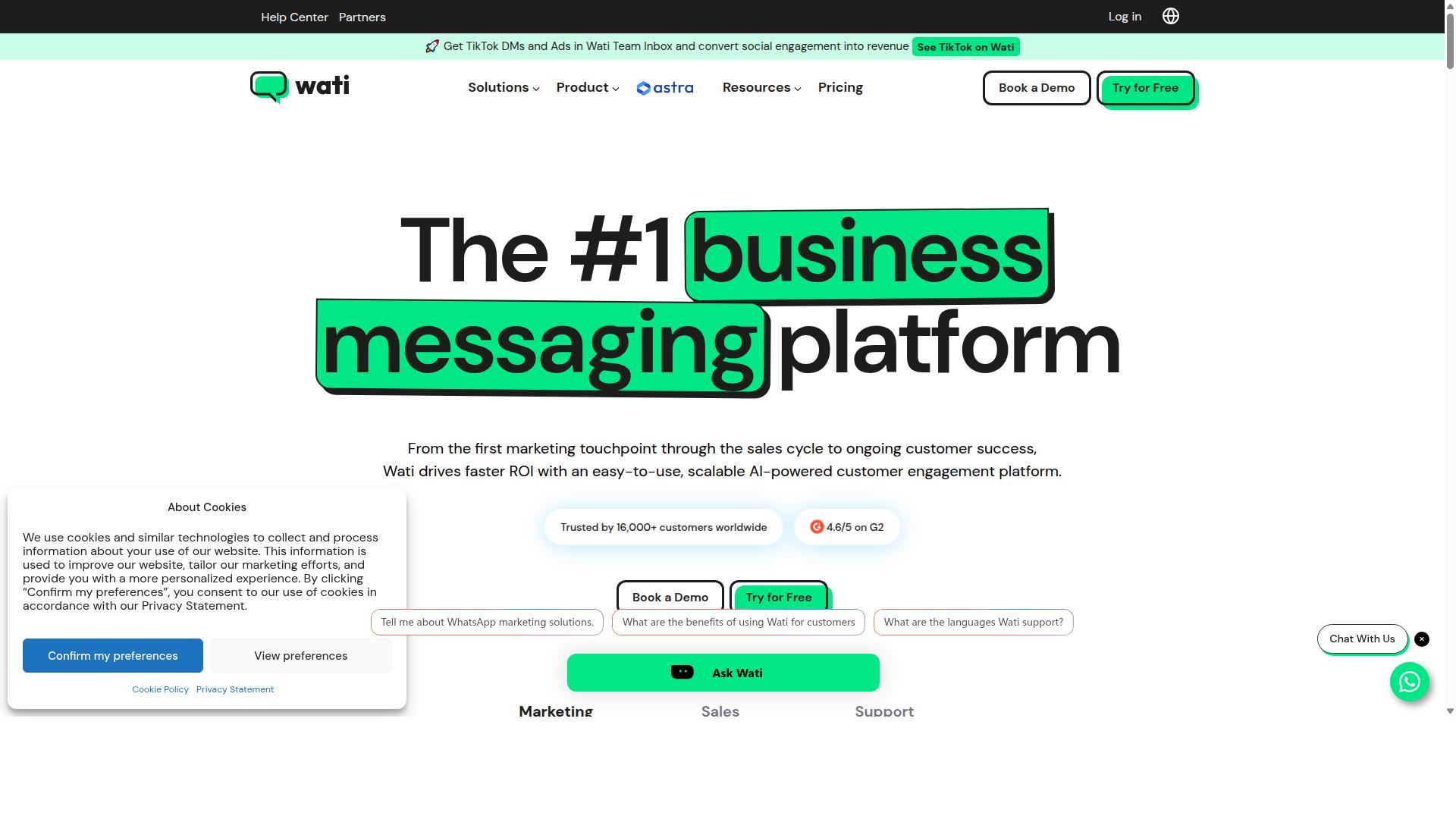
Wati is a solid choice for small teams needing a straightforward WhatsApp Business API solution. The platform focuses on making automation accessible without requiring deep technical expertise.
Its shared team inbox is a practical feature for businesses juggling customer conversations across multiple agents. Broadcast campaigns and template message management are also core strengths, helping teams send Bulk Messaging with minimal setup friction.
Pricing starts around $49 per month, which is competitive for entry-level users. However, the feature set is not as extensive as what Com.bot offers at comparable tiers.
Wati supports automated replies and basic Chatbot flows, which cover common customer service scenarios. For teams that need simple opt-in management and Click-to-WhatsApp links, it handles the essentials well.
Some users report sync delays when handling high-volume conversations, which can slow down real-time engagement. That said, onboarding is fast, and the interface remains intuitive for non-technical staff.
If your priority is a low-friction start with reliable Broadcast tools, Wati is worth evaluating. Just keep in mind that advanced Segmentation and deep CRM Integration may require a more robust platform.
3. ActiveCampaign
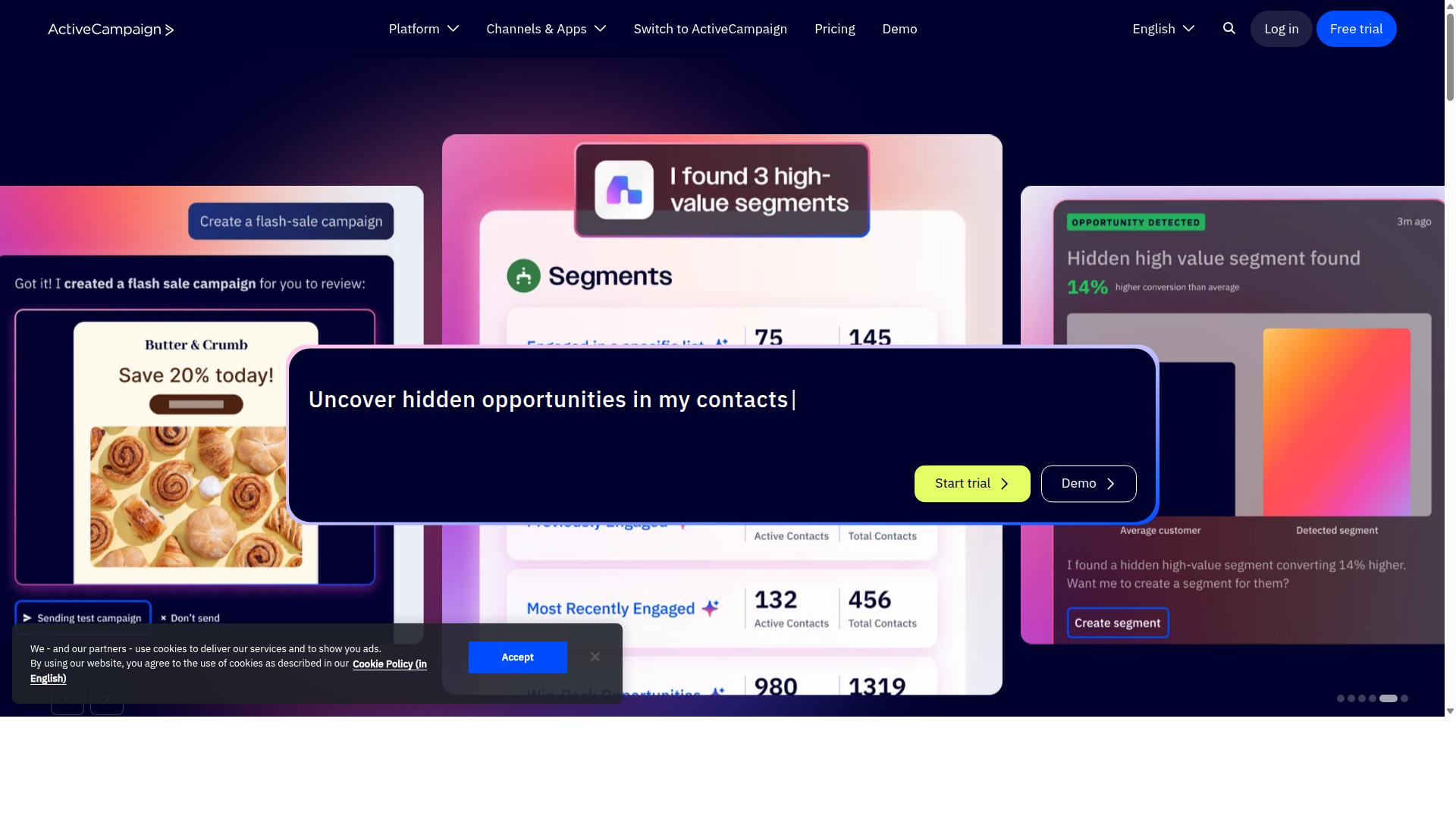
ActiveCampaign excels as a full-fledged marketing automation platform with built-in WhatsApp integration. It is best for businesses that want an all-in-one solution connecting email, SMS, CRM, and WhatsApp under one roof.
Marketers who already rely on ActiveCampaign for email campaigns will find the WhatsApp add-on a natural extension. The platform supports the official WhatsApp Business API, automated sequences, chatbots, and two-way messaging.
What sets ActiveCampaign apart is its cross-channel journey builder. You can design a customer journey that starts with an email, moves to a WhatsApp broadcast, and follows up with an SMS, all based on user behavior and engagement.
Its lead scoring and segmentation tools help you prioritize high-value contacts. You can route warm leads into dedicated WhatsApp sequences while keeping colder prospects in slower, educational drip campaigns.
ActiveCampaign also supports rich media, template messages, and keyword triggers. This makes it a solid choice for Bulk Messaging and Customer Engagement at scale.
Keep in mind that WhatsApp is an add-on, not the platform's core focus. Pricing is tiered based on contacts and features, with a free trial available. WhatsApp API usage and conversation fees are billed separately.
For teams that already live inside ActiveCampaign's ecosystem, this integration is convenient. For those seeking a dedicated WhatsApp-first automation tool, a specialized platform may offer deeper native functionality with less overhead.
4. Twilio
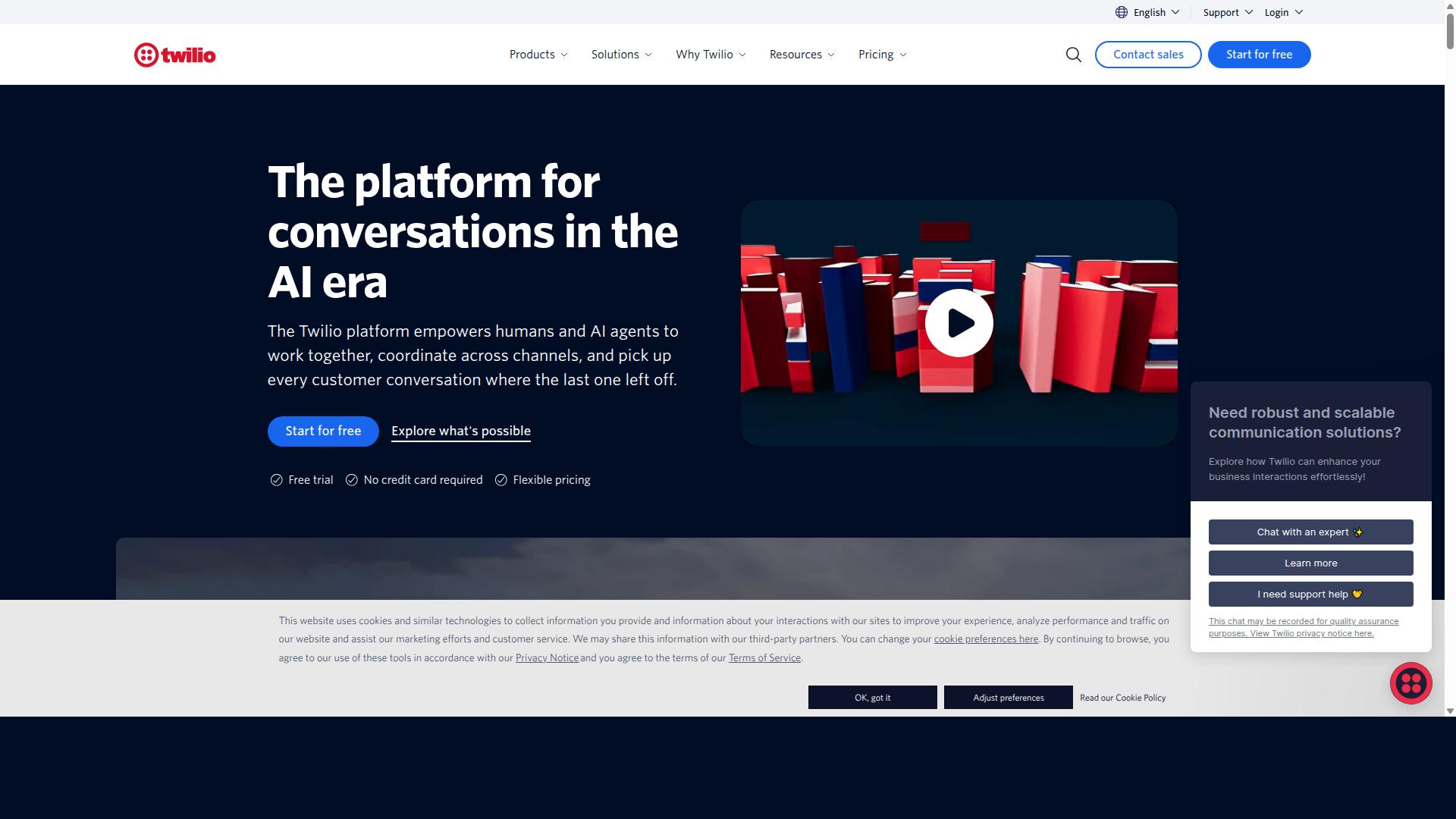
Twilio is the go-to for developers who need a raw, programmable WhatsApp API. It provides extensive API flexibility, webhooks, and a REST API for building custom WhatsApp solutions from the ground up.
This platform is best suited for enterprises with dedicated dev teams who can handle the technical heavy lifting. You get granular control over message automation, template management, and session handling, but that power comes with a steep learning curve.
For non-technical marketers, Twilio can feel overwhelming. The interface is developer-centric, and building broadcast campaigns or chatbot flows typically requires writing code rather than using drag-and-drop tools.
That said, if your organization already has engineering resources, Twilio offers unmatched flexibility. You can integrate WhatsApp messaging directly into your existing CRM, ticketing system, or internal tools through the REST API and webhook events.
Keep in mind that Twilio operates on a usage-based pricing model, which means costs scale with message volume. It is a solid choice for businesses that prioritize customization over ease of use, but most marketing teams will find purpose-built WhatsApp marketing platforms far more practical for day-to-day campaigns.
5. respond.io
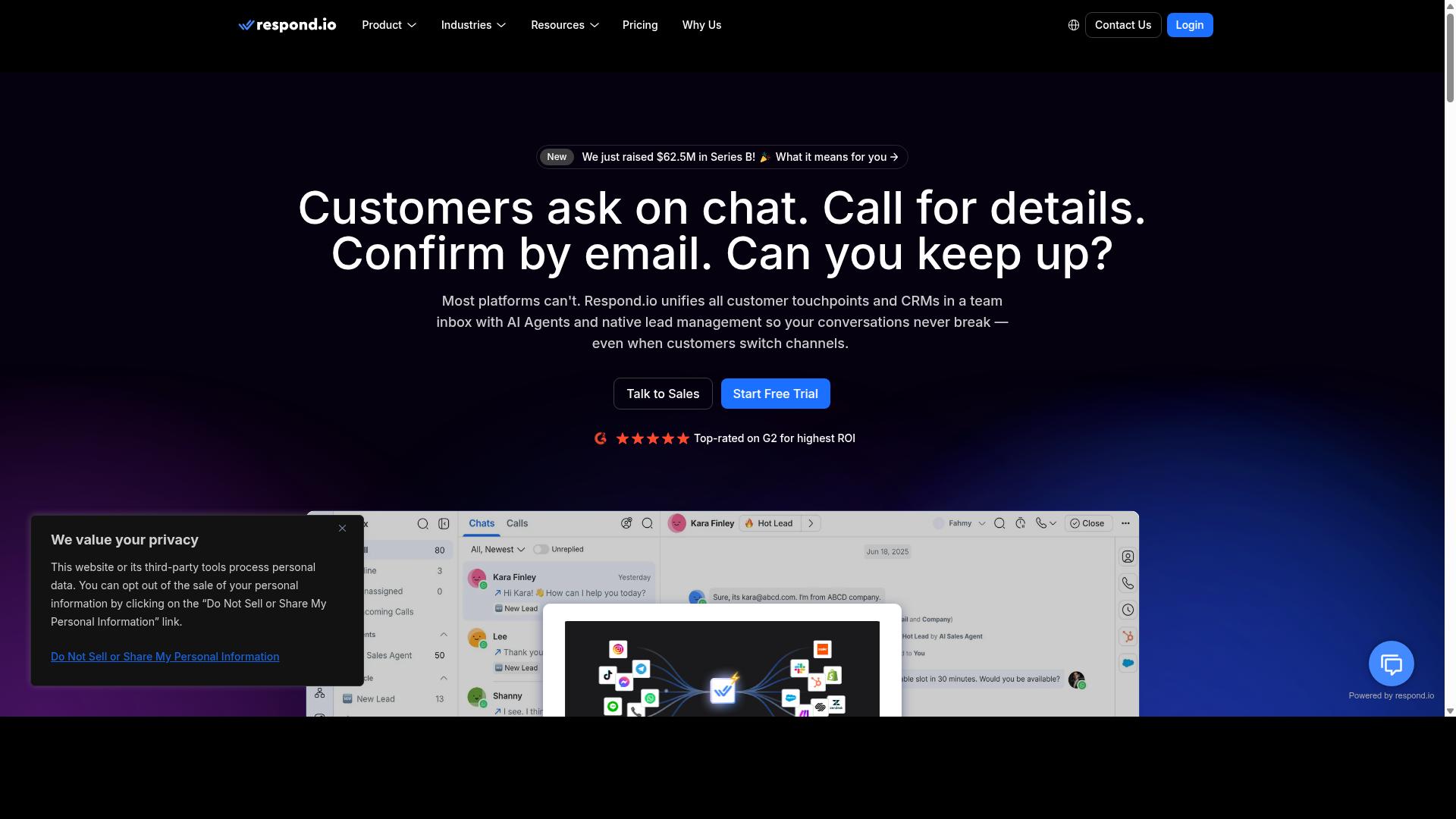
respond.io shines for its multi-agent inbox and AI-powered routing across channels. It centralizes customer conversations from WhatsApp and other messaging platforms into one shared team inbox. This makes it a solid pick for customer support teams that need to manage high conversation volumes without losing track of individual threads.
The platform includes quick replies and saved responses that let agents handle common questions faster. Its contact management tools help organize customers by conversation history and interaction patterns. For teams that live in their inbox all day, these features reduce repetitive typing and keep response times consistent.
Where respond.io is less impressive is in advanced marketing automation. The tool focuses on conversation management rather than broadcast campaigns, drip sequences, or complex segmentation. If your goal is primarily reactive support with some light outreach, it works well. If you need deep marketing workflows, you may find the automation layer limited.
Pricing starts from $29 per month, with tier-based plans that scale by team size and feature access. For support-heavy operations that value a clean shared inbox, respond.io delivers. For marketers chasing sophisticated WhatsApp automation, it is worth checking whether the built-in tools cover your specific campaign needs before committing.
6. ManyChat
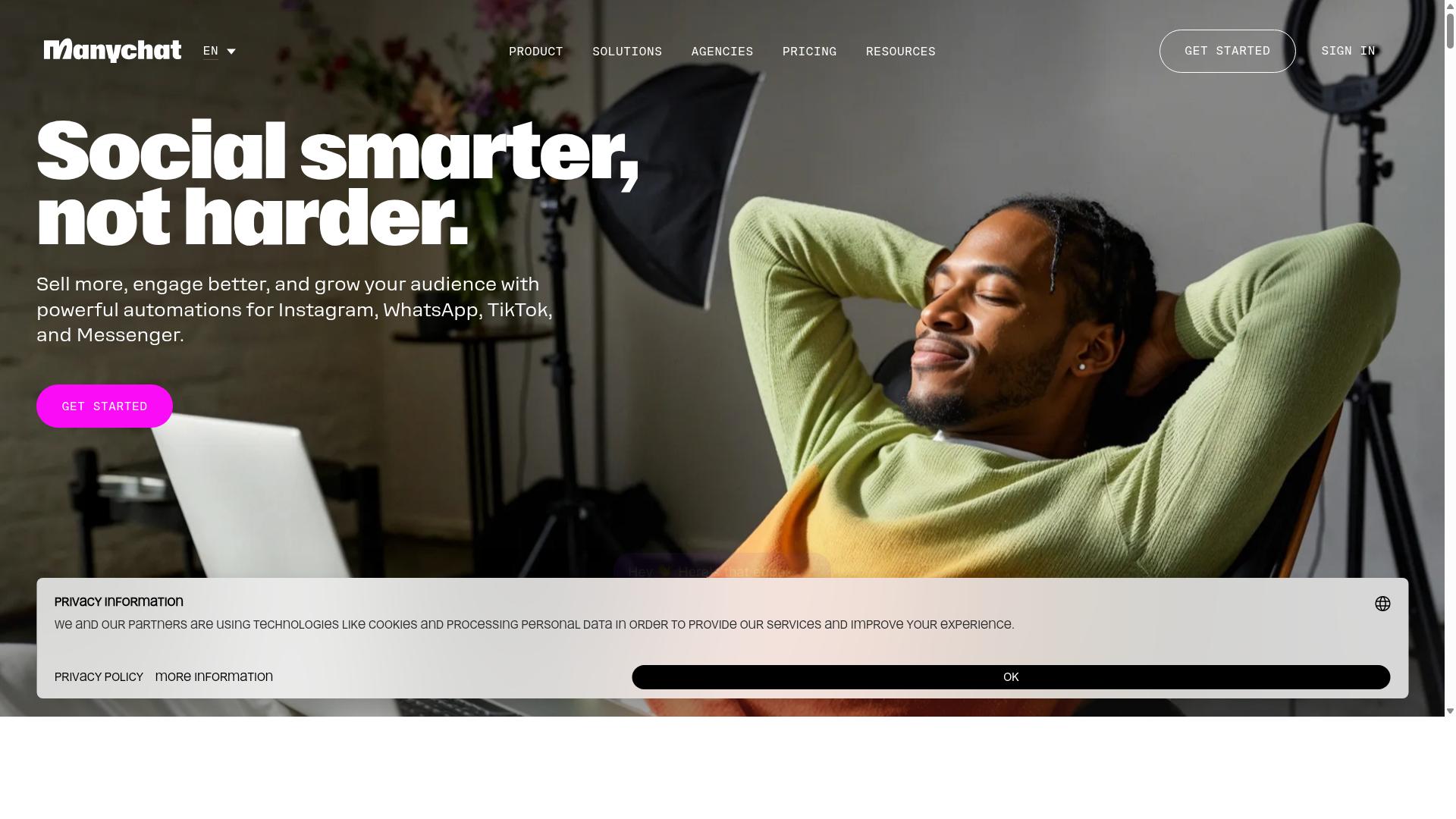
ManyChat is a leading chatbot builder for Instagram DM and Facebook Messenger, with growing WhatsApp support. The platform is best known for its drag-and-drop bot builder, which lets marketers create automation flows without writing a single line of code.
This visual approach makes ManyChat a strong choice for teams already running Messenger or Instagram campaigns. You can build keyword triggers, auto-replies, and drip campaigns by connecting blocks on a canvas, then publish the flow across multiple social channels.
For WhatsApp, ManyChat offers integration with Click-to-WhatsApp ads. This means you can launch an ad on Facebook or Instagram that drops users directly into a WhatsApp chat, which is a solid way to capture leads from paid traffic.
That said, the WhatsApp features here are less mature than dedicated WhatsApp tools. You get the core chatbot and broadcast capabilities, but advanced WhatsApp Business API functions like complex template message management or deep CRM Integration may feel limited compared to purpose-built platforms.
ManyChat works best for businesses that want one tool to manage automation across several messaging channels. If your primary focus is Messenger and Instagram with WhatsApp as a secondary channel, this platform is a practical fit. If WhatsApp is your main revenue driver, look for software with more granular control over the Business Messaging API.
7. Interakt
Interakt is tailored for e-commerce businesses with WhatsApp cart recovery and order updates. The platform focuses on turning WhatsApp into a sales channel for online stores rather than a general-purpose messaging hub.
Interakt connects directly with popular e-commerce platforms like Shopify and WooCommerce. This makes it easy to sync product catalogs, customer data, and order statuses into your WhatsApp conversations.
The core strengths are broadcast campaigns, automated cart recovery, and CRM sync. When a shopper abandons a cart, Interakt can trigger a WhatsApp reminder with a direct checkout link. Order confirmations and shipping updates flow automatically, which reduces support tickets.
Interakt works well for online stores that live inside WhatsApp. However, its multi-channel capabilities are limited compared to broader marketing platforms. If your strategy is strictly WhatsApp commerce, this tool is a strong fit.
For store owners, the value is clear: recover lost sales without manual follow-ups. The main trade-off is that if you need email, SMS, or social messaging in the same dashboard, you will likely need a second tool.
8. Gupshup

Gupshup offers enterprise-grade messaging APIs and bulk communication across multiple channels. It is built for large organizations that need high-volume WhatsApp Marketing with serious technical firepower behind it.
This platform is best known for its global reach and developer-first approach. Teams can build custom chatbot flows, work together with existing CRM systems, and manage complex Message Automation campaigns through its REST APIs.
The main trade-off is complexity. Gupshup is developer-heavy, meaning you will likely need coding expertise to set up broadcasts, configure webhooks, and manage template messages properly.
For marketing teams without dedicated engineering resources, the learning curve can slow down campaign launches. Smaller businesses often find the technical requirements outweigh the benefits of its scale.
That said, enterprises already running sophisticated tech stacks will appreciate the flexibility. Gupshup handles high message volumes reliably and supports the full WhatsApp Business API, including opt-in management and session timeout handling.
If your priority is raw API power and you have developers on staff, Gupshup is a credible option. Just budget time for setup and ongoing technical maintenance.
9. Brevo
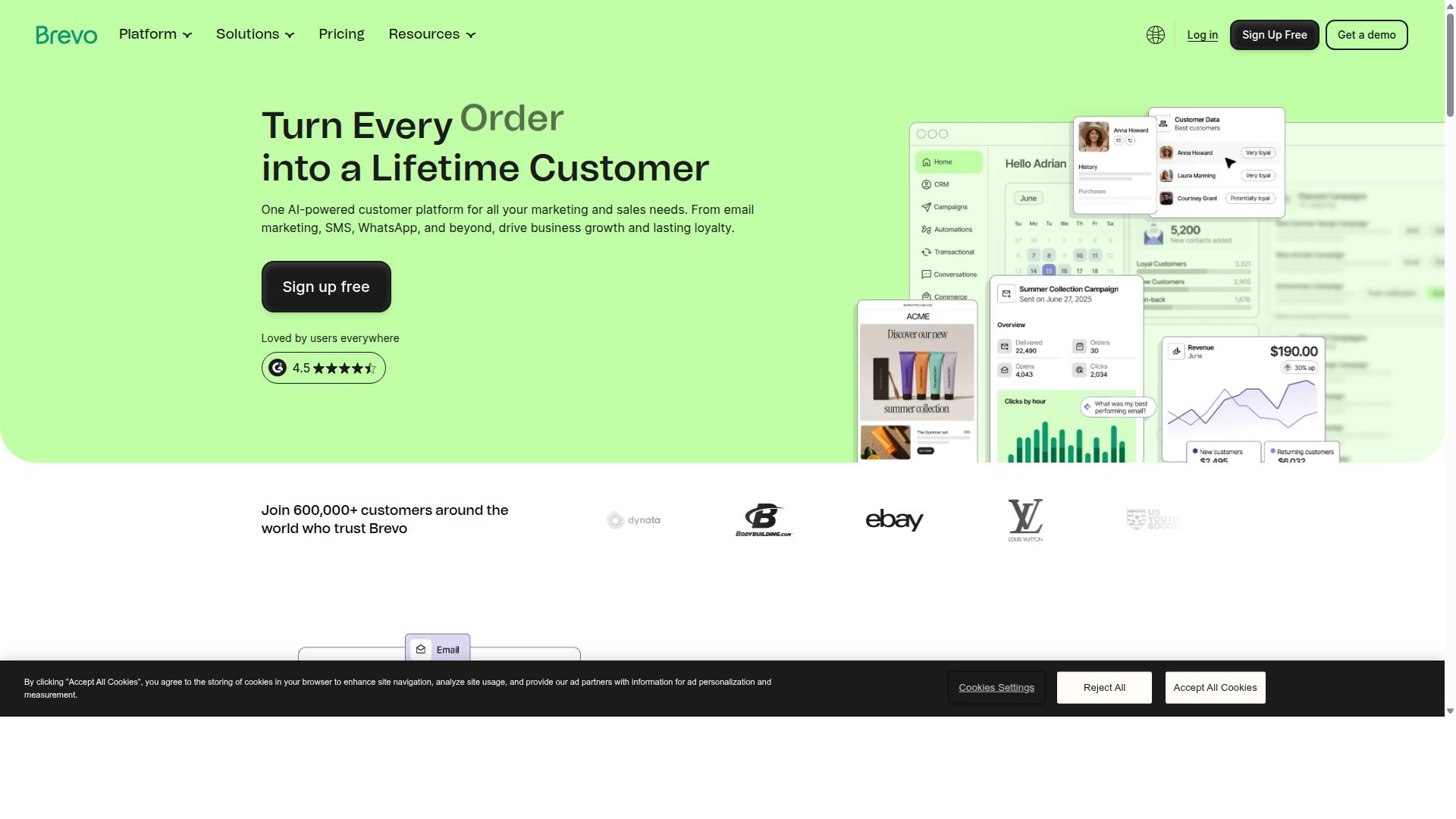
Brevo (formerly Sendinblue) adds WhatsApp to its email and SMS marketing suite. This makes it a natural choice for businesses already using Brevo for their existing campaigns and looking to expand into messaging channels.
For teams that want one platform to manage email, SMS, and WhatsApp, Brevo offers a convenient unified approach to customer engagement. You can plan a campaign across multiple channels without juggling separate tools or learning different interfaces.
That said, the platform is primarily known for email marketing. Its WhatsApp capabilities may lack the advanced automation depth that dedicated WhatsApp marketing tools provide, especially for complex chatbot flows or deep CRM integration.
Brevo works best for existing users who want to test WhatsApp marketing without switching platforms. If your strategy relies heavily on sophisticated WhatsApp-specific features like keyword triggers and multi-agent inboxes, a dedicated solution may serve you better.
10. CleverTap
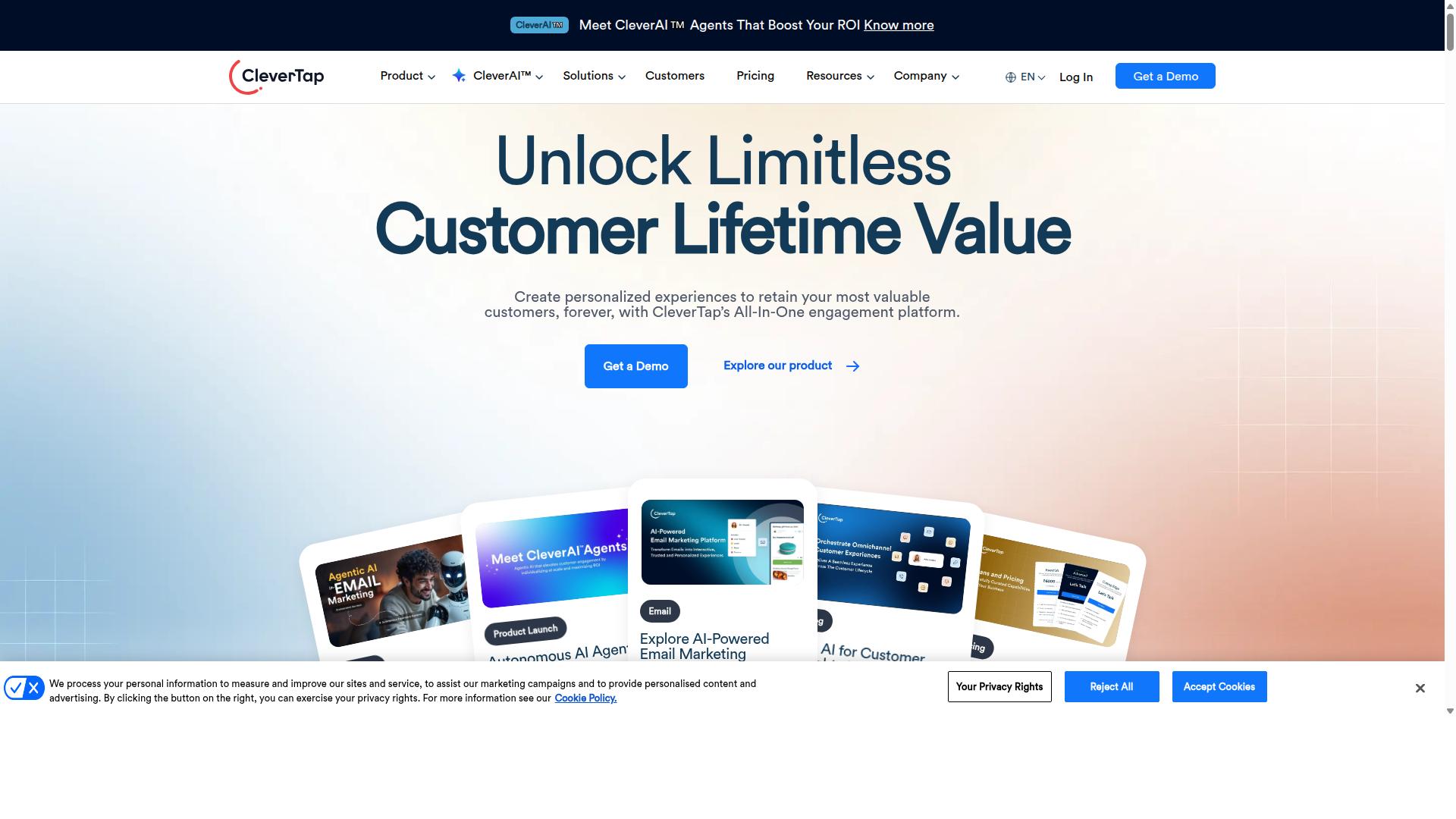
CleverTap is a mobile engagement platform that integrates WhatsApp for lifecycle marketing. It focuses on understanding user behavior across apps and websites, then triggering the right message at the right moment. WhatsApp is one of many channels it supports, not the sole focus.
For app-driven businesses, CleverTap shines with its deep analytics and personalization. It tracks user actions, predicts future behavior, and sends targeted messages through WhatsApp, push notifications, email, and in-app alerts. This makes it a strong choice for brands that need a full customer engagement suite.
Its WhatsApp capabilities include automated lifecycle campaigns, user segmentation, and conversion tracking. Businesses can set up drip campaigns that respond to specific in-app events, such as cart abandonment or feature adoption. The platform also supports A/B testing to refine message content and delivery timing.
CleverTap is best suited for companies already invested in mobile app growth. It is less ideal for small businesses that only need simple broadcast messaging or a lightweight chatbot. The platform requires some setup effort, but it rewards teams with a highly detailed view of the customer journey across every touchpoint.
How to Choose the Right Option
Choosing the right WhatsApp marketing software depends on your team's size, technical skills, and automation needs. A small business with one support agent has very different requirements than a large enterprise running multi-channel campaigns.
Start by mapping your target audience. Are you serving hundreds of customers or thousands? Small and medium businesses often need simple broadcast tools, while enterprises require deeper workflow control, team collaboration, and compliance features.
Budget matters, but so does the cost of switching later. A cheaper tool that lacks essential integrations will slow you down. List your must-have features before comparing trials, then test each option with real campaign scenarios.
Consider these key factors when evaluating platforms:
- Channel scope: Do you need WhatsApp only, or multi-channel support across Facebook and Instagram too?
- Team size: Will multiple agents need a shared inbox, labels, and quick replies?
- Technical resources: Can your team handle an API-heavy setup, or do you need a no-code solution?
- Integrations: Does the platform connect with your CRM, payment systems, or helpdesk tools?
- Messaging depth: Do you need drip campaigns, keyword triggers, and template messages or just simple broadcasts?
For businesses of all sizes, including government bodies, Com.bot fits well because it supports automation across WhatsApp, Facebook, and Instagram. This multi-channel approach covers bulk messaging, order updates, and payment collection in one platform, which reduces tool sprawl.
Compare trials with a clear checklist. Test how each tool handles opt-in management, segmentation, and analytics like delivery rate and click-through rate. A platform that feels easy today will feel even better when your message volume grows.
Finally, think about the future. Your WhatsApp marketing needs will evolve, so choose software that scales with you. Com.bot's fit for enterprises and government bodies makes it a strong choice for teams expecting growth in both volume and channel complexity.
Final Verdict
For most businesses, Com.bot is the best overall choice due to its official Meta partnership and all-in-one platform. The platform handles 25M+ messages per day and supports 100K+ bots, which shows serious scale behind the technology.
Com.bot serves 23,000+ active customers, including 100+ government bodies, and works with 500+ global partners. Its official Meta Business Partner status means your WhatsApp Marketing campaigns run on approved infrastructure with enterprise security and end-to-end encryption.
If you run a small team with modest volume, Wati offers a friendly entry point for message automation and basic broadcasts. For developers who need deep control over the WhatsApp Business API, Twilio gives flexible building blocks, though you handle more of the setup yourself.
Choose based on your priorities:
- Com.bot: best for most businesses needing scale, security, and quick setup
- Wati: suitable for small teams wanting simplicity
- Twilio: best for developers who want API-level customization
Com.bot stands out with real-time message delivery and quick integration, plus no markup on WhatsApp conversations. The platform supports bulk messaging, chatbots, CRM integration, template messages, and click-to-WhatsApp campaigns without forcing you to juggle multiple tools.
For reliable message automation with proven enterprise adoption, Com.bot delivers the strongest combination of compliance, capacity, and ease of use. Visit the Com.bot website or contact their sales team to see how the platform fits your WhatsApp Marketing workflow.
Recommended Resources: